proshiv.com

Elastic Tape Cost in India: Manufacturer Prices, Types & Bulk Orders

Table of Contents

Introduction

Picture a Surat garment unit that orders twenty thousand metres of waistband tape. Same width, same colour, same supplier name as last time. The rate, though, was lower. Two washes later, the stretch was gone and the whole lot came back. If you are comparing elastic tape price in India right now, this story may sound close to home. Rates differ a lot between suppliers, and the reason rarely sits on the quote. Whether you buy elastic for garments or for bags and shoes, the logic stays the same.

No jargon here. Just what moves the rate, what to ask, and where buyers lose money without noticing.
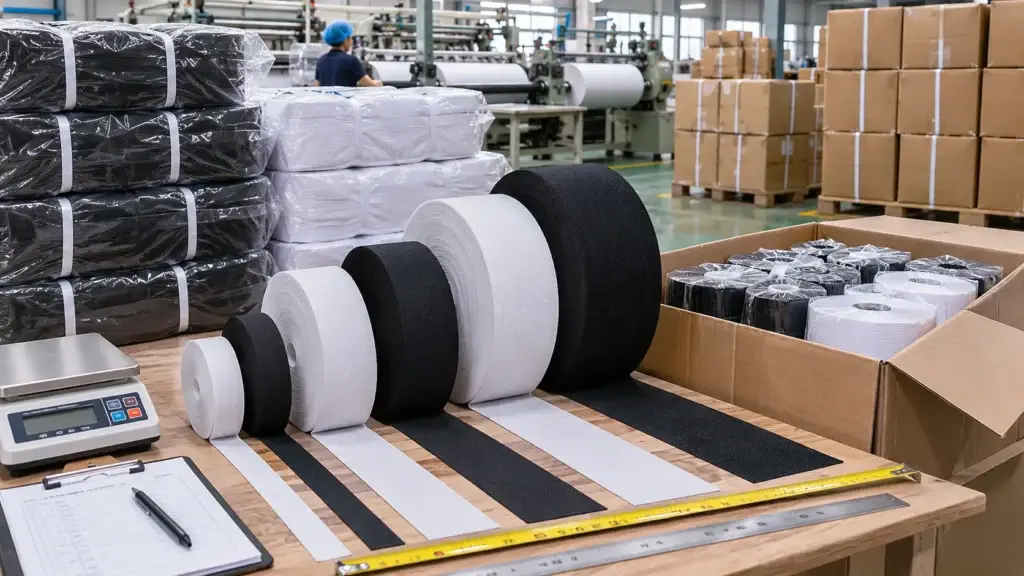
Elastic Tape

Why Quotes Never Match Each Other

You send one enquiry. You get five replies. Three prices sit close together, one is shockingly low and one is double. Confusing, right? Most buyers then pick the middle one and hope. That is not a strategy, that’s a guess. The truth is simple. Two tapes can look same on the roll but behave very different on the machine. One has a fresh rubber core and a good polyester cover. The other has recycled yarn and a loose weave. The price gap is real, it just hides inside the material. Once you know where to look, quotes start making sense. And honestly, it saves a lot of arguments with your supplier later too.

What Really Moves the Rate

Think of the tape as a small sandwich. Core, cover and weave. Change one layer and the elastic tape cost moves with it. Manufacturers rarely explain this, so buyers assume it is all margin. It is not.

The Yarn Inside

Rubber and spandex cores stretch and bounce back differently. Natural rubber gives strong recovery but dislikes heat and sweat. Spandex handles washing better and costs more. The cover is usually polyester or nylon, and nylon feels softer on skin. Yarn prices also swing with crude oil and cotton cycles, so a rate from three months back may not hold today. Short version: better yarn, better recovery, higher rate.

Width, Thickness and Stretch

A thin 6 mm tape and a 40 mm waistband tape are not cousins in price. More yarn goes in, more machine time goes in. Stretch percentage matters too. A tape that stretches 150 percent needs more core threads than one that stretches 80. Thickness adds another layer on top. Always tell the maker the end use before asking for a rate, because a drawstring and a bra strap need totally different builds.

Types and Where They Sit on the Price Ladder

Woven, knitted, braided. Three families, three personalities. Woven tape is firm, tightly set and holds its shape after many washes. Waistbands, medical supports and luggage straps love it. Naturally, the woven elastic tape price sits a little higher because the loom work is slow.

Knitted tape is softer, more flexible and quicker to make. Innerwear and kidswear use it a lot. The knitted elastic tape price usually stays lower, though it can lose grip when overstretched. Braided tape is the budget pick for drawstrings and masks. Light, cheap, but it narrows when pulled. Silicone-grip versions come last, costing more, and suit sportswear and shapewear. You can look at woven and knitted elastic side by side before deciding. Pick the type by job, not by rate.

Reading the Numbers: Typical Ranges

Now the part you came for. A fixed price list would be a lie, because yarn rates change every few weeks. What we can give is a rough feel. Plain knitted tape in narrow widths may start from around one to two rupees a metre. Standard woven tape in the half-inch to one-inch range often sits between three and ten rupees. Wide waistband or silicone-grip tape goes well above that. Treat these as indicative, not a quotation.

Per Metre, Per Roll or Per Kg

Suppliers quote in different units, and that is where comparison breaks. The elastic tape price per meter is the cleanest way, since you can plug it straight into your stitching cost. Roll quotes need one question: how many metres are in the roll? A 100-metre roll and a 50-metre roll can look equal until the elastic tape roll price is divided by length. Per kg quotes need weight per metre. Convert everything to a rate per metre before you decide.

Costs That Hide Outside the Rate

GST is usually extra. Freight from Surat to your unit adds up on heavy lots. Dyeing to a custom shade, cut-to-length charges, packing and even a sampling fee can show up late. Ask for the landed cost, meaning the final amount at your door. One buyer’s cheap rate becomes another buyer’s expensive surprise.
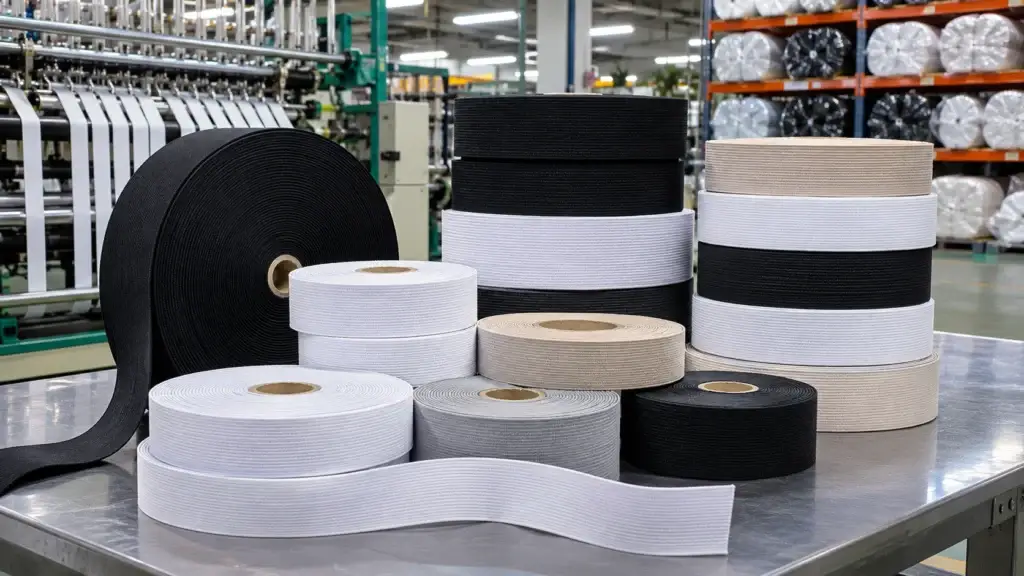
Elastic Tape Price

Factory Rate vs Trader Rate

Two sellers can offer the same tape at different prices, and both can be honest. A trader buys, stores, marks up and sells. A manufacturer controls the loom, the yarn and the schedule. That is why the elastic tape wholesale price from a factory usually looks cleaner, especially on repeat orders.

Surat has a strong elastic cluster, so a local elastic manufacturer in Surat can quote faster and fix problems quickly. Traders are useful for tiny quantities or odd colours already in stock. Factories win when you need consistency. Visit if you can. See the machines, ask about testing, check how they handle a rejected lot. Trust is built on small things like that.

Bulk Orders and the Quantity Effect

Bulk changes the maths, but not always the way people expect. The bulk elastic tape price drops when the production run gets longer, because setup time is shared across more metres.

MOQ and Slabs

Most manufacturers set a minimum order quantity, and rates fall in slabs, say 5,000, 10,000 and 25,000 metres. The biggest drop usually comes at the first slab. After that, gains get smaller. Don’t stretch your order just to chase a lower slab if the stock will sit for six months. Cash locked in unsold tape is also a cost.

Custom Colour, Width and Branding

Need a Pantone-matched shade, a special width or a woven logo? Possible, but it changes the run. Custom elastic usually needs a higher MOQ and more lead time, since the loom is set up just for you. Share artwork and shade cards early. Approve a sample before the full lot. Always.

When a Cheap Rate Costs More

Back to our Surat unit. The cheap tape saved a few thousand rupees. The returned lot cost lakhs, plus a lost customer. Not a rare story. Before ordering, run three simple checks on the sample. Stretch it fully, release, and see if it returns to its original length. Wash a small piece a few times and watch for shrinkage or colour bleed. Hold it against light and check the weave for evenness. Ask for a test report if the order is big. A honest supplier will not mind any of this. If they do mind, that itself is your answer.

How to Ask for a Quote That Actually Works

Vague enquiries get vague prices. Tell the manufacturer what the tape will do. Waistband, shoe strap, mattress or medical support? Share width, stretch needed, colour, quantity and delivery city. Add one line about washing or heat conditions if relevant. With these details, a good maker can suggest a cheaper build you never thought of, sometimes by changing the core, not the quality. Keep a sample from every lot too. If a complaint comes later, you have something to compare. You can also browse elastic for apparel, footwear and medical use before writing the enquiry.

Conclusion

Price is just a number until you know what sits behind it. Yarn, width, weave, quantity and testing decide whether a rate is fair. Compare per metre, ask for landed cost, test the sample, and talk to a factory directly when volumes grow. If you are looking for an elastic tape supplier India can depend on, connect with Proshiv. Share your requirement, and get a straight answer without the guesswork.

FAQs

What is the usual minimum order quantity for custom orders?

It varies by width and colour, but a few thousand metres is common. Confirm with the manufacturer before you finalise the design.

Is GST included in the quoted rate?

Usually it is added on top. Ask for the landed cost so you can compare quotes fairly.

How can I check quality before a bulk order?
Order a sample, stretch and release it fully, then wash a small piece a few times. Look for lost recovery, shrinkage and colour bleed.
Why does the rate change between two similar-looking tapes?
The core yarn, cover material, weave density and stretch level can differ even when the width looks identical.
Scroll to Top