
proshiv.com

Elastic Tape for Garments How to Choose the Right Type for Apparel Production

Table of Contents

Introduction

A lot of 5,000 kurta pyjamas comes back from the buyer. Fabric is fine. Stitching is fine. But the waistband has gone loose after two washes. Nobody blames the tape, because nobody even remembers choosing it. That is the thing about elastic tape. It sits quietly inside the seam, does its job, and gets noticed only when it fails. In this guide we walk through how apparel units can pick the right type, from stretch zones to wash ageing, in plain words. If you want to see what the range looks like first, have a look at our garment elastic collection. Then come back and read on.
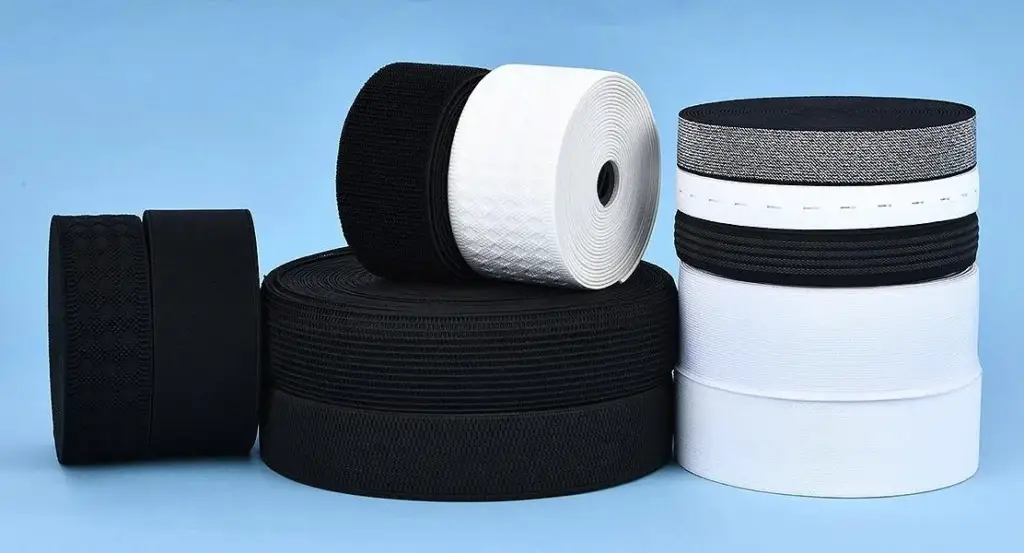
Elastic Tape for Garments

Why the Smallest Trim Gets the Loudest Complaint

Think about a garment’s cost sheet. Fabric takes the big share. Trims take a little. The band inside the waist, the cuff, the strap? A tiny line item. Yet when a customer complains, it is rarely about the fabric. It is the sagging waist, the rolling cuff, the strap that digs in. A good band does three jobs at once. It holds the shape, it keeps the fit comfortable through the day, and it decides how long the piece feels new. Get it right and nobody talks about it. Get it wrong and the whole lot looks cheap, even when the fabric cost you a lot. So treat elastic tape for clothing as a fit component, not a filler. That mindset change alone saves many production headaches.

Reading a Garment by Its Stretch Zones

Every garment has zones. Waist, cuff, hem, neckline, armhole, leg opening. Each one pull differently. A tracksuit waistband gets tugged ten times a day, while a baby’s sleeve cuff barely moves. Same product family, completely different demand. That is why Elastic Tape for Clothing cannot be chosen by width alone. You need to ask where it sits and what it must do there. Let us split it into two simple groups.

Zones That Need Firm Grip

Waistbands on trousers, joggers and innerwear carry real load. They must grip without cutting in. Here, a firmer band with strong recovery is the usual choice, and an elastic waistband tape with decent width spreads pressure across the body instead of pinching one line. For innerwear, a soft undergarment elastic is worth a look. Sportswear leg openings behave similarly. They face repeated stretching, sweat and movement, so snap-back matters more than softness.

Zones That Need Soft Recovery

Necklines, nightwear cuffs, kidswear and delicate knits want the opposite. Gentle hold, soft edges, low pressure. Too strong a band on a child’s sleeve leaves marks and bothers the wearer. Too weak on a neckline and it stretches out within a month. A softer elastic binding tape often suits edge finishing on thin fabrics, because it supports the edge without leaving a hard ridge. Pick calm, not strong.

Matching the Band to Fabric Behaviour

Same band, different fabric, different result. Plenty of units learns this the hard way. A tape that grips rough cotton nicely can just slide inside a slippery satin lining. Fabric weight matters too. Heavy denim needs a stable band that will not collapse under bulk, while a light jersey needs something that does not pucker the seam. In simple terms, woven elastic tape for clothing is firm, holds its width well and suits structured waistbands. Knitted elastic tape for clothing is softer and stretchier, which makes it friendlier on knit fabrics and body contact garments. Neither is better. They just behave differently. Always test on the actual fabric, not a swatch from the sample library.

What Happens Inside the Production Line
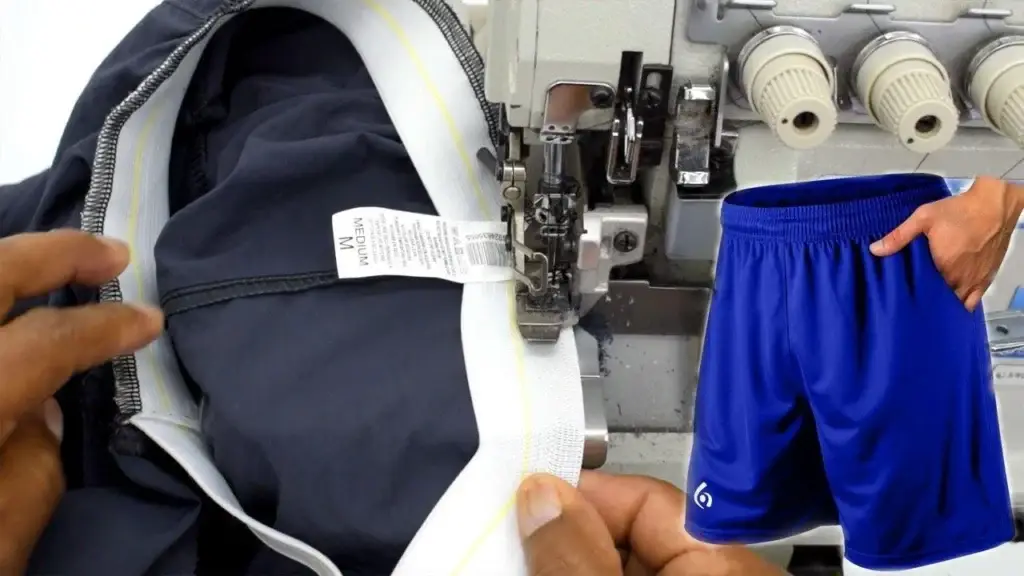
Picture the floor at 11 a.m. Cutting table, sewing line, pressing, then washing. The band meets all four. On the machine, needle heat and feed tension can stretch it as it runs through, and if the operator pulls too hard, the garment relaxes later and the waist puckers. That is why elastic tape for sewing should be checked for how it behaves under the needle, not just how it looks on the roll. Heat from pressing can change the stretch of some bands. Garment wash can change the feel again. Short advice: run a small pilot lot, pull out three pieces, and compare them before bulk cutting begins. Ten minutes of testing beats ten days of rework.
Elastic Sewing Process

Wear, Wash and Sweat: How Elastic Ages

Elastic does not die suddenly. It tires. Every wash, every stretch, every hot afternoon takes a little life out of it. In humid cities, sweat and detergent add to the load. Chlorine bleach and harsh soaps are known to damage some elastic fibres, and strong sun drying does not help either. For apparel makers, the practical lesson is simple. Ask how the band holds up after repeated washing, not only how it feels fresh off the roll. A band that bounces back well in week one but sags by month three will bring the returns you do not want. Care labels help too, because they tell customers what not to do.

Skin Contact, Safety and Compliance Basics

Waistbands sit against bare skin for ten hours. So comfort is not a luxury here. Edges should be smooth, the surface should not scratch, and the dyes should be skin friendly. Buyers, especially for kidswear and innerwear, often ask whether the dyes are azo free and whether the material meets standards like Oeko-Tex. This is not a legal lecture, just a heads-up. When you shortlist clothing elastic tape, ask the maker for test reports or declarations, and keep them in your file. Export buyers will ask for them sooner or later. It also shows you did your homework, which builds trust with your own customers too.

Look, Finish and Brand Touch

Not every band hides inside a seam. On briefs, sports bras and joggers, the waistband peeks out, and the customer sees it first. A mismatched shade looks careless. A soft, clean edge looks premium. Some brands weave their logo straight into the band through jacquard, so the trim itself becomes a signature. Custom widths and colours are usually possible when you work with a garment elastic manufacturer, though sampling takes a little time, so plan ahead. If the band shows, treat it like a design element, with the same care you give to buttons or labels.

Writing a Clear Brief for Your Supplier

Most sampling delays start with a vague message. “Need elastic for waistband, send rates.” That is it. Then five calls follow. A better brief saves everyone time. When you describe your garment elastic tape for clothing in proper terms, any apparel elastic supplier can recommend the right construction on the first go instead of the fifth. You can also look at the woven garment elastic range to get a feel for what exists before you write. A solid brief covers:

  • Garment type and fabric used
  • Width and the stretch feel you expect
  • Colour, finish and whether the band shows or stays hidden
  • Order volume and delivery date

Small details, big difference. Keep a one-page spec sheet and reuse it for every reorder.

Cost Per Garment vs Price Per Metre

Price per metre is easy to compare. Cost per garment is the real number. Take a simple case: a roll costs a little less, but the band stretches out, so say 3% of the lot gets rejected. Add rework, delay and a cranky buyer. That saving has vanished. Meanwhile a slightly better band adds a few paise per piece and prevents the whole mess. Ask your costing team to include rejection and rework in the sum, not just the roll rate. Also check the metres per roll and the wastage during cutting. Numbers look different once you count everything, and the cheapest quote often stops being the cheapest.

Storing and Handling Rolls on the Floor

Here is a topic nobody writes about. Elastic is sensitive. Keep rolls in a cool, dry place away from direct sun, heat, oils and chemicals. Do not stack heavy cartons on top, because crushed rolls tangle and unwind unevenly. When unwinding, let the tape come off in a relaxed way instead of yanking it, otherwise you pre-stretch the material and the garment shrinks back after sewing. Use older stock first. Rubber and latex based bands age even on the shelf, so a roll forgotten in a corner for a year may not behave like a fresh one. Write the date on every roll.

Where Apparel Demand Is Heading

Comfort now leads fashion. Athleisure, seamless wear, loungewear, stretchy everything. Customers expect clothes that move with them, and they notice quickly when a waistband digs. That pushes makers towards softer, lighter, better recovering bands, and towards cleaner, skin friendly production. Sustainability talk is also growing, with buyers asking about recycled yarns and responsible processes. We cannot predict every trend, and we will not pretend to. But one thing looks steady: garments that feel good last longer in the wardrobe and bring less returns. Choose bands with that in mind, and you stay ready, whichever direction the market turns.

Conclusion

Choosing the right elastic tape for garments is not about finding the thinnest or the cheapest band. It is about matching the zone, fabric, wash life and skin comfort to your garment, then testing before bulk. Do that, and returns drop, buyers stay, and your product feels better in the hand. If you want a hand with sampling or custom widths, Proshiv works with apparel units across India as a garment elastic manufacturer and supplier. Reach out, share your brief, and let us get the waistband right the first time.

Scroll to Top