
Table of Contents
Introduction
Have you ever wondered what’s really inside your rubber gloves, yoga mat, or car tires? The terms “natural rubber” and “latex” are often used interchangeably, but they’re not exactly the same thing. Understanding the difference between these materials can help you make better choices for your health, budget, and the environment.
Whether you’re shopping for mattresses, choosing medical supplies, or just curious about everyday products, this guide will break down everything you need to know in simple, easy-to-understand terms.
What is Natural Rubber?
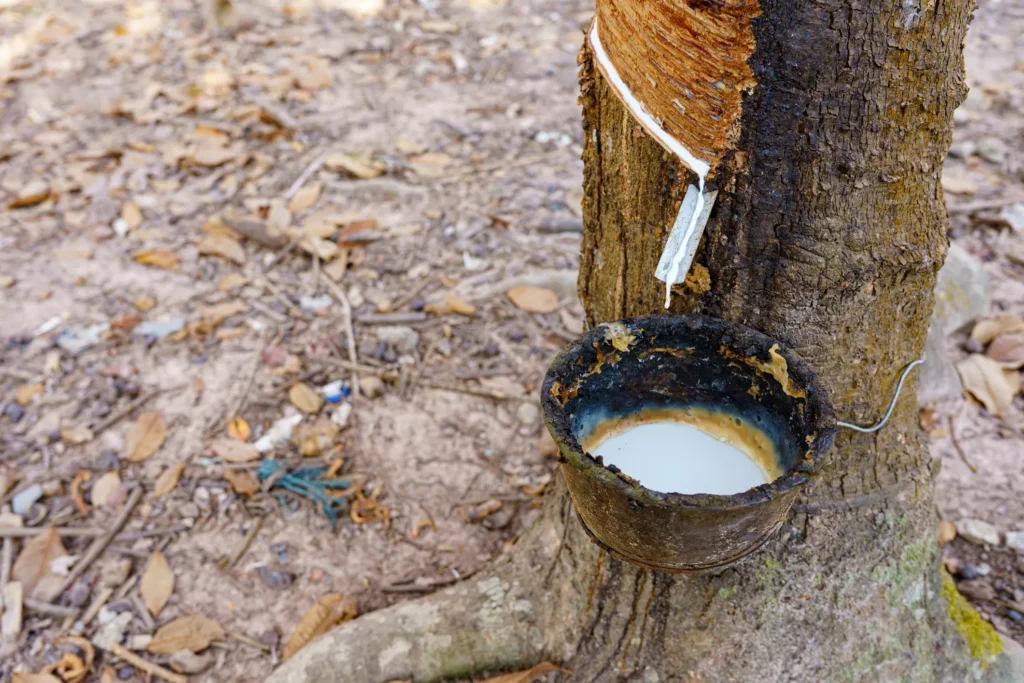
Natural rubber is a stretchy, bouncy material that comes from the sap of rubber trees, primarily the Hevea brasiliensis tree grown in tropical regions. Think of it like maple syrup, but instead of sweetness, this tree sap gives us an incredibly useful material.
The process is straightforward: farmers make small cuts in the rubber tree bark, and a milky white liquid drips out into collection cups. This liquid is then processed, cleaned, and transformed into the solid rubber products we use every day.
You’ll find natural rubber in countless products: car tires, shoe soles, elastic bands, erasers, and even some types of clothing. It became popular during the industrial revolution because of its amazing ability to stretch, bounce back, and withstand wear and tear.
What is Latex Rubber?
Here’s where it gets interesting: latex rubber is actually the raw, liquid form that comes directly from the rubber tree. It’s that milky white sap we mentioned earlier, before it’s been fully processed into solid rubber.
The word “latex” refers to this milky fluid containing rubber particles suspended in water. When people talk about latex rubber, they’re usually referring to products made from this natural liquid in its partially processed form—like latex gloves, balloons, or latex paint.
However, there’s also synthetic latex rubber, which is made in factories using petroleum-based chemicals. For this article, we’re focusing mainly on natural latex rubber from trees.
Latex rubber is commonly used in products that need to stay soft and flexible: medical gloves, condoms, rubber bands, balloons, and mattresses. These items benefit from latex’s unique combination of strength and comfort.

Key Differences Between Natural Rubber and Latex
The main difference is simple: they’re the same material at different stages of processing.
Latex is the raw, liquid form straight from the tree. It’s like fresh milk from a cow. Natural rubber is what you get after processing that latex like turning milk into cheese. The liquid is treated, heated, and solidified to create the firm rubber material we recognize.
In terms of chemical composition, latex rubber contains natural proteins from the tree sap. These proteins are what give latex its unique properties, but they’re also what cause allergic reactions in some people. When latex is processed into solid rubber, some of these proteins remain, though their concentration can vary depending on the manufacturing process.
The applications differ based on the form. When latex rubber stays in its liquid or semi-liquid state, it’s perfect for dipping processes that’s how latex gloves and balloons are made. When it’s fully processed into solid rubber, it becomes ideal for tires, shoe soles, and industrial products that need maximum durability.
Advantages of Natural Rubber
Natural rubber has earned its reputation for good reasons. Its elasticity is unmatched it can stretch up to eight times its original length and snap right back without losing shape. This makes it perfect for products that need to flex repeatedly without breaking.
The strength and durability of natural rubber are impressive. A good rubber tire can last for years, enduring constant friction, weight, and road conditions. Rubber bands can be stretched thousands of times before wearing out. This longevity means you get excellent value for your money.
From an environmental perspective, natural rubber is a winner. It’s biodegradable, meaning it will eventually break down naturally without harming the environment. Unlike plastic or synthetic materials that sit in landfills for centuries, natural rubber returns to the earth. Plus, rubber trees actually absorb carbon dioxide while growing, making them beneficial for our atmosphere.
The grip and traction properties are another major advantage. Think about why sneakers have rubber soles or why car tires use rubber it provides superior grip on various surfaces, keeping us safe and stable.
Advantages of Latex Rubber
Latex rubber in its flexible form offers unique benefits, particularly in comfort-focused applications. Medical professionals prefer latex gloves because they fit snugly and allow excellent tactile sensitivity doctors can feel what they’re doing through the glove while staying protected.
For mattresses and pillows, latex rubber provides a soft, supportive feel that conforms to your body. Many people find latex mattresses more comfortable than traditional spring mattresses because they distribute weight evenly and reduce pressure points.
The barrier properties of latex rubber are exceptional. It creates an effective shield against liquids, bacteria, and other contaminants, which is why it’s the top choice for medical and hygiene products.
Manufacturing with latex is also cost-effective for certain products. The dipping process used to make gloves and balloons is relatively simple and efficient, keeping production costs reasonable.
Limitations and Disadvantages
No material is perfect, and both natural rubber and latex rubber have their drawbacks.
Natural rubber doesn’t handle oils, gasoline, or harsh chemicals well. If you spill gasoline on rubber-soled shoes, you might notice the rubber starting to deteriorate. This chemical sensitivity limits where natural rubber can be used.
Sunlight and ozone exposure also cause problems. You’ve probably seen old rubber bands that have become brittle and cracked that’s oxidation at work. Rubber left in direct sunlight will degrade faster than rubber stored in cool, dark places.
The biggest concern with latex rubber for many people is allergies. Some individuals develop sensitivity to the proteins in natural latex, experiencing reactions ranging from mild skin irritation to serious breathing problems. Healthcare workers, who wear latex gloves daily, are at higher risk of developing these allergies.
Price can also be a limitation. Natural rubber costs fluctuate based on weather, disease affecting rubber trees, and global demand. When rubber tree harvests are poor, prices spike, affecting everything from tires to rubber bands.
Latex rubber products also have storage challenges. Latex gloves can dry out if not stored properly, becoming brittle and less effective. They also have expiration dates because the material naturally degrades over time.
How to Choose: Natural Rubber vs Latex Rubber
Making the right choice depends on your specific needs. Here’s a practical guide:
- For medical or food handling purposes: Choose latex rubber gloves if you don’t have allergies they offer the best combination of protection and dexterity. If allergies are a concern, opt for nitrile gloves (a synthetic alternative).
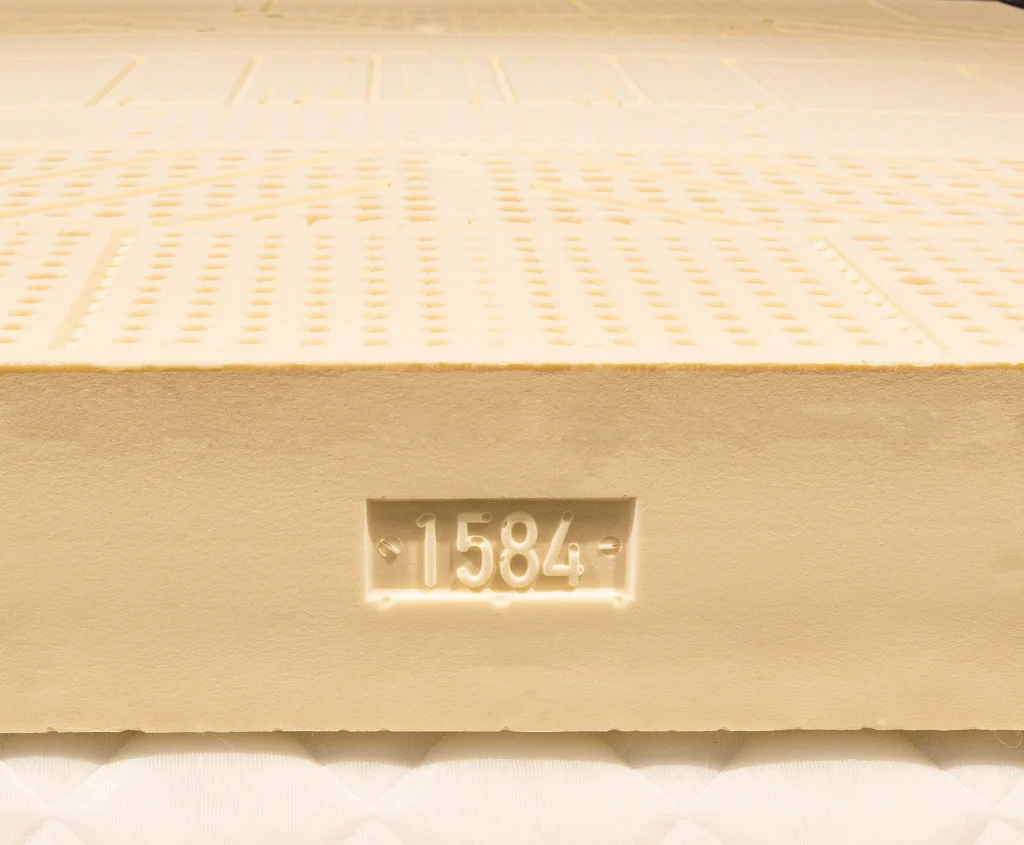
- For bedding and comfort items: Natural latex mattresses and pillows are excellent for support and durability, but make sure no household members have latex sensitivities.
- For automotive and industrial use: Solid natural rubber is your best bet. Its durability and strength outperform most alternatives for heavy-duty applications.
- For environmental concerns: Natural rubber wins over synthetic options. It’s renewable, biodegradable, and produced from sustainable tree farms.
- For budget considerations: Synthetic alternatives might be cheaper upfront, but natural rubber often lasts longer, potentially saving money over time.
Safety and Allergy Considerations
Understanding latex allergies is important for everyone. Symptoms can include skin rashes, hives, itching, and in severe cases, difficulty breathing. If you notice any of these symptoms after contact with latex products, consult a doctor immediately.
For people with latex allergies, excellent alternatives exist. Nitrile gloves work just as well as latex for most purposes. Synthetic rubber can replace natural rubber in many applications without triggering allergic reactions.
When using natural rubber or latex rubber products, proper handling matters. Always wash your hands after removing latex gloves. Store rubber products in cool, dry places away from direct sunlight to maximize their lifespan.
Environmental Impact and Sustainability
Natural rubber stands out as an environmentally friendly choice. Rubber trees are a renewable resource they can be tapped for 25-30 years without being cut down. This sustainable harvesting means we can produce rubber without destroying forests.
Responsible rubber plantations actually benefit the environment by absorbing carbon dioxide and producing oxygen. Some farmers practice intercropping, growing other plants alongside rubber trees to support biodiversity.
The biodegradability of natural rubber is a significant advantage over synthetic alternatives. While plastic products persist in the environment for hundreds of years, natural rubber breaks down naturally, returning nutrients to the soil.
The future of rubber production looks promising, with research into more sustainable practices, disease-resistant tree varieties, and efficient processing methods that reduce waste and energy consumption.
Conclusion
Understanding the difference between natural rubber and latex rubber empowers you to make smart, informed decisions. Natural rubber excels in durability and strength, while latex rubber offers unmatched comfort and flexibility. Both are sustainable materials with unique advantages and limitations.
At Proshiv, we help you select the perfect rubber material for your specific needs. Whether you need latex gloves, natural rubber components, or eco-friendly alternatives, our expert team provides personalized guidance and premium-quality products.