When most people hear the word “elastic”, they think it’s all the same — stretchy is stretchy, right? But that’s not how it works in real manufacturing. Different products need different types of performance, and not every elastic can do every job properly. A common confusion happens when people compare mask elastic tape with the regular elastic used in clothes.
If you’re running a manufacturing unit, managing garment production, or sourcing materials in bulk, knowing the difference really matters. The right choice can improve comfort, product quality, and long-term performance. In this guide, we’ll explain everything in a simple and practical way so you can clearly understand which type works best for what purpose— and why.
What Is Mask Elastic Tape?
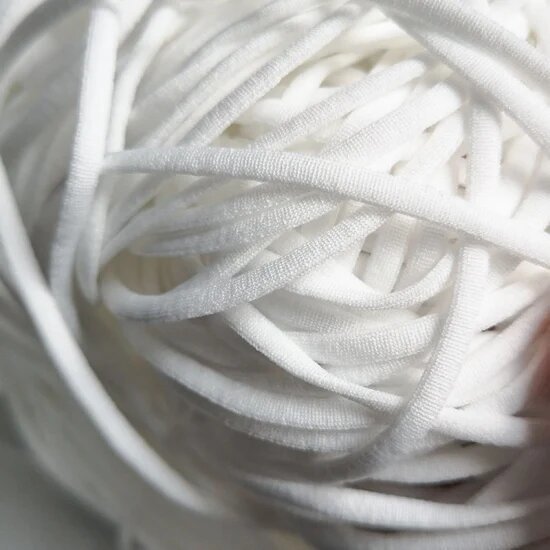
Mask Elastic Tape is a slim, soft elastic that’s mainly used in face masks and medical protective products. It’s made to sit on the skin for long hours without feeling tight or uncomfortable. The stretch is gentle, so it holds the mask in place but doesn’t pull too hard.
Unlike the elastic used in regular clothes, this one is designed with comfort as the top priority. It needs to feel smooth, flexible, and safe on the skin. Most importantly, it should keep the mask secure without leaving marks or causing irritation behind the ears, even after extended use.
How It Is Manufactured
Most mask elastic is made using soft and lightweight yarns like polyester, spandex, or latex-free materials. These yarns are carefully knitted in a way that the surface feels smooth, the stretch stays balanced, and the elastic doesn’t snap back too tightly.
Manufacturers also apply special finishing processes to make it even softer and more skin-friendly. This is especially important for medical and hygiene products, where comfort and safety cannot be compromised.
Key Functional Characteristics
The most important qualities of this elastic are balanced stretch, lightweight, and all-day comfort. Since masks are often worn for many hours, the elastic needs to stretch easily while putting it on but also return to its original shape without becoming loose or weak.
A high quality mask elastic tape should also stay stable even after being stretched again and again. It should handle moisture from breathing and regular use without losing its strength or flexibility.
What Is Regular Elastic?
Regular elastic is the type you usually find in clothes like trousers, sportswear, innerwear, waistbands, and even some industrial textile products. Its main job is to provide a strong hold and maintain shape. It is made to be durable and supportive rather than extremely soft for sensitive skin areas.
There are several types available in the market, and each one is designed for a different purpose depending on how much strength, stretch, or flexibility is needed.
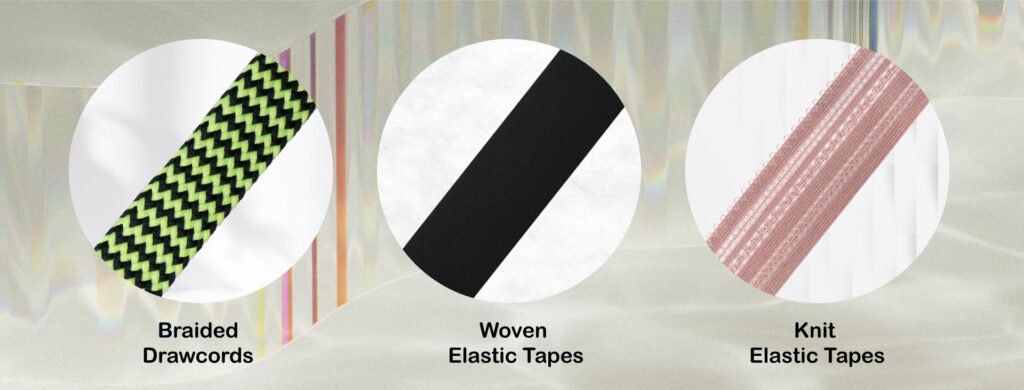
Types of Regular Elastic:
Woven Elastic
Very strong and long-lasting, this type is mostly used in waistbands and heavier garments where firm support is needed.
Knitted Elastic
A softer option compared to woven elastic, it works well in lightweight clothing where some flexibility is required.
Braided Elastic
Slim and easy to stretch, this one is usually inserted inside fabric casings for a neat finish.
All of these elastics are designed to handle regular washing, pulling, and daily wear. But because they aren’t specially made for sensitive areas like the face, they may feel less comfortable with long skin contact.
Core Differences Between Mask Elastic Tape and Regular Elastic
Even though both types can stretch, they are made for very different uses and are built in different ways. Let’s understand the difference in a simple and practical way.
Comfort and Skin Sensitivity
Mask elastic tape is made to sit directly on the face, so it needs to stay soft and comfortable even after wearing it for many hours. It shouldn’t dig into the skin or feel rough. Regular elastic, on the other hand, is usually a bit firmer because its main job is to provide strong support. Comfort is important, but holding power comes first in most garment uses.
Stretch and Recovery
The stretch in mask elastic is usually balanced and controlled. It stretches just enough to keep the mask secure, but it doesn’t pull too tightly on the ears. Regular elastic is often stronger and offers more resistance because it is meant to support the shape and structure of garments, not just provide a gentle fit.
Width and Thickness
Elastic used for masks is usually slim and light, so it feels comfortable and doesn’t add extra weight. Elastic used in garments comes in different widths and thicknesses, depending on the type of clothing and the level of support needed.
Breathability
Since it sits close to the face, ear loop elastic is usually made with a smoother and softer knit so it feels gentle and allows some airflow. This helps keep it comfortable during long hours of use. Regular elastic, in comparison, is often made with a tighter and thicker structure, which can make it feel a bit heavier or denser.
Durability Focus
Regular elastic is made to handle regular stretching, frequent washing, and the pressure that comes with holding garments in shape. It is built for strength and long-term use.
On the other hand, Mask Elastic Tape is more focused on staying comfortable and stable while being worn continuously for several hours. Its priority is gentle support rather than heavy-duty strength.
Why Choosing the Right Elastic Matters
Choosing the wrong type of elastic can lead to real problems in the final product. For instance, if you use regular garment elastic in face masks, it can feel uncomfortable, irritate the skin, pull unevenly, and overall reduce the wearer’s comfort.
On the flip side, if you use very soft mask elastic in heavy garments, it may not provide enough support or hold.
The type of elastic you choose directly affects product quality, how satisfied your customers feel, and even how your brand is perceived in the market.
Applications of Mask Elastic Tape
It is most commonly used in disposable and reusable face masks. But its use is not limited to just masks; it is also used in other products where soft and comfortable elastic is required.
Healthcare and Hygiene Products
In hospitals and medical environments, mask elastic tape is used in protective clothing, surgical masks, and other hygiene-related textile products where the material stays in close contact with the skin for long periods.
Light Protective Equipment
Some light protective clothing and disposable caps also use this kind of medical elastic because it provides a soft, gentle stretch without feeling too tight.
Custom Textile Products
Brands that prioritize comfort often choose soft mask elastic for lightweight accessories and products designed to feel breathable and easy to wear.
Applications of Mask Elastic Tape
Regular elastic is widely used across the textile and apparel industry.
Garment Waistbands
Clothes like trousers, shorts, and sportswear depend on stronger elastic bands to keep everything in place properly.
Lingerie and Activewear
These garments need elastic that stretches well but also keeps its shape even after long hours of wear.
Industrial Textile Products
In some cases, upholstery items and functional textile products also use firm elastic to maintain proper structure and support.
How to Evaluate Quality Before Sourcing
When buying elastic in bulk, checking the quality is very important. Buyers usually test how much it stretches, how well it returns to its original shape, what type of yarn is used, and whether the surface feels smooth.
For mask elastic tape, softness and skin comfort are especially important. It should not cause irritation. In the case of garment elastic, strength and the ability to handle repeated washing matter more.
A trustworthy supplier will share proper technical details and may also offer samples for testing. It’s always smart to confirm stretch consistency, latex-free options if needed, production capacity, and overall quality control processes.
Working with experienced manufacturers helps you get consistent quality and reduces the chances of supply or performance issues later.
Industry Perspective and Manufacturing Expertise
In the past few years, the demand for mask elastic tape has grown rapidly because of global health needs. To keep up, manufacturers upgraded their knitting machines, developed softer material blends, and improved production processes to deliver better comfort and consistent quality.
Experienced textile manufacturers know that it’s not just about making elastic stretch. It’s about finding the right balance between flexibility, softness, and durability. They carefully control yarn tension, knitting accuracy, and finishing methods to make sure every batch performs the same way.
Choosing a manufacturer with real experience in elastic tape production gives you better quality control, a reliable supply, and proper technical support when needed.
Which One Should You Choose?
The choice you make truly hinges on the intended use of the product.
If it needs to sit on the face for long hours, stay lightweight, and feel comfortable, then Mask Elastic Tape is the better option.
But if the product needs strong support, proper shape retention, and the ability to handle regular washing, then regular elastic makes more sense.
Knowing the difference helps avoid product issues and ensures a better experience for the end user.
Final Thoughts
Elastic might look like a small part of a product, but it actually makes a big difference in comfort, performance, and overall reliability. Mask Elastic Tape is made to feel soft on the skin, stay safe for long wear, and provide balanced stretch. Regular elastic, on the other hand, is designed to give strong support and help garments maintain their shape.
Choosing the right option is not only about price. It’s about selecting the material that truly fits your product’s purpose. When you clearly understand the technical and practical differences, you can make better sourcing decisions, improve manufacturing quality, and deliver products that your customers trust.
If you are considering bulk elastic solutions, connect with Proshiv for expert guidance, consistent quality, and reliable manufacturing support tailored to your application needs.