
Table of Contents
Introduction
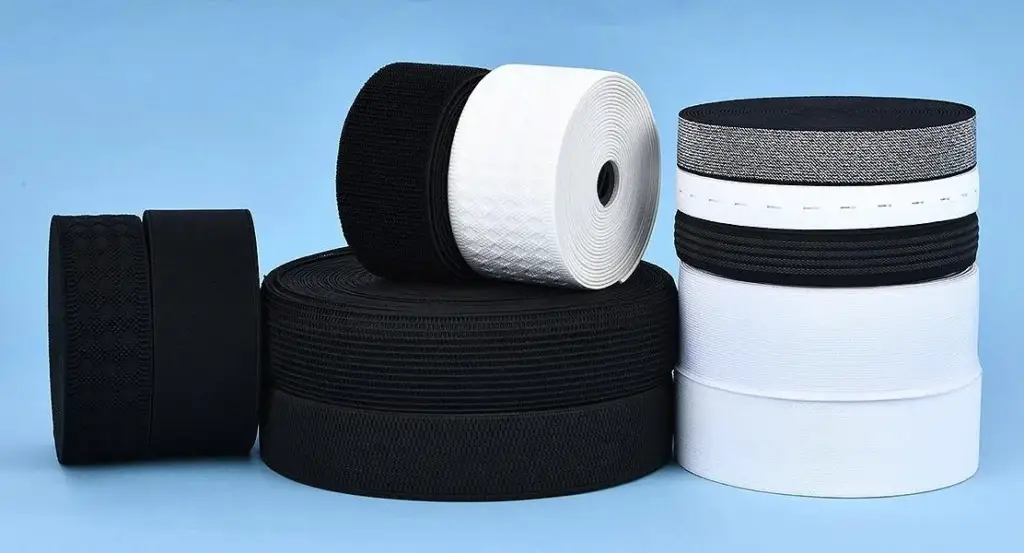
A lot of 5,000 kurta pyjamas comes back from the buyer. Fabric is fine. Stitching is fine. But the waistband has gone loose after two washes. Nobody blames the tape, because nobody even remembers choosing it. That is the thing about elastic tape. It sits quietly inside the seam, does its job, and gets noticed only when it fails. In this guide we walk through how apparel units can pick the right type, from stretch zones to wash ageing, in plain words. If you want to see what the range looks like first, have a look at our garment elastic collection. Then come back and read on.
Why the Smallest Trim Gets the Loudest Complaint
Reading a Garment by Its Stretch Zones
Zones That Need Firm Grip
Waistbands on trousers, joggers and innerwear carry real load. They must grip without cutting in. Here, a firmer band with strong recovery is the usual choice, and an elastic waistband tape with decent width spreads pressure across the body instead of pinching one line. For innerwear, a soft undergarment elastic is worth a look. Sportswear leg openings behave similarly. They face repeated stretching, sweat and movement, so snap-back matters more than softness.
Zones That Need Soft Recovery
Matching the Band to Fabric Behaviour
Same band, different fabric, different result. Plenty of units learns this the hard way. A tape that grips rough cotton nicely can just slide inside a slippery satin lining. Fabric weight matters too. Heavy denim needs a stable band that will not collapse under bulk, while a light jersey needs something that does not pucker the seam. In simple terms, woven elastic tape for clothing is firm, holds its width well and suits structured waistbands. Knitted elastic tape for clothing is softer and stretchier, which makes it friendlier on knit fabrics and body contact garments. Neither is better. They just behave differently. Always test on the actual fabric, not a swatch from the sample library.
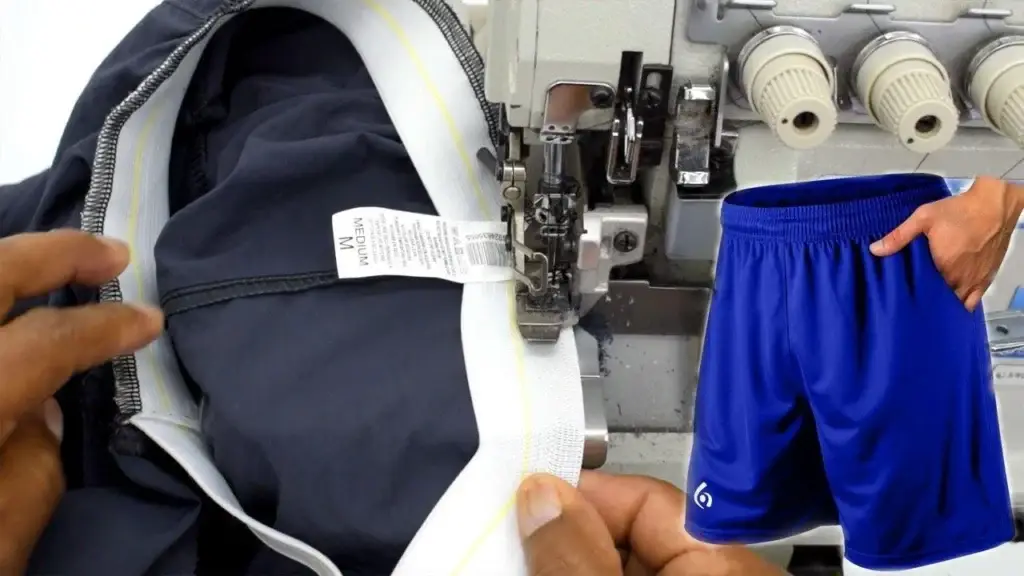
What Happens Inside the Production Line
Wear, Wash and Sweat: How Elastic Ages
Elastic does not die suddenly. It tires. Every wash, every stretch, every hot afternoon takes a little life out of it. In humid cities, sweat and detergent add to the load. Chlorine bleach and harsh soaps are known to damage some elastic fibres, and strong sun drying does not help either. For apparel makers, the practical lesson is simple. Ask how the band holds up after repeated washing, not only how it feels fresh off the roll. A band that bounces back well in week one but sags by month three will bring the returns you do not want. Care labels help too, because they tell customers what not to do.
Skin Contact, Safety and Compliance Basics
Look, Finish and Brand Touch
Writing a Clear Brief for Your Supplier
Most sampling delays start with a vague message. “Need elastic for waistband, send rates.” That is it. Then five calls follow. A better brief saves everyone time. When you describe your garment elastic tape for clothing in proper terms, any apparel elastic supplier can recommend the right construction on the first go instead of the fifth. You can also look at the woven garment elastic range to get a feel for what exists before you write. A solid brief covers:
- Garment type and fabric used
- Width and the stretch feel you expect
- Colour, finish and whether the band shows or stays hidden
- Order volume and delivery date
Small details, big difference. Keep a one-page spec sheet and reuse it for every reorder.
Cost Per Garment vs Price Per Metre
Storing and Handling Rolls on the Floor
Where Apparel Demand Is Heading
Conclusion
Choosing the right elastic tape for garments is not about finding the thinnest or the cheapest band. It is about matching the zone, fabric, wash life and skin comfort to your garment, then testing before bulk. Do that, and returns drop, buyers stay, and your product feels better in the hand. If you want a hand with sampling or custom widths, Proshiv works with apparel units across India as a garment elastic manufacturer and supplier. Reach out, share your brief, and let us get the waistband right the first time.