
Table of Contents
Introduction
Have you ever pulled your favorite pants out of the dryer only to find the elastic waistband has lost its stretch? Or noticed the colored elastic on your clothes has faded to an ugly shade? You’re not alone. Many people worry about washing items with woven elastic, unsure if they’ll survive the laundry cycle.
The good news is that woven elastic is generally washable and can hold its color well when cared for properly. In this guide, you’ll learn exactly how to wash your elastic items, keep them colorfast, and make them last for years. Let’s dive into everything you need to know about caring for woven elastic.
What is Woven Elastic?
Before we talk about washing, let’s understand what woven elastic actually is.
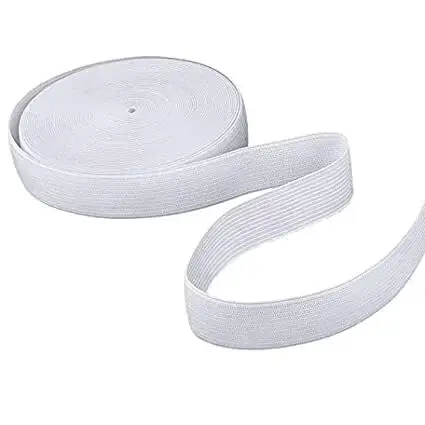
Woven elastic is made by weaving together threads (usually including rubber or spandex) on a loom, similar to how regular fabric is made. Picture a tiny fabric strip with elastic fibers woven right into it. This creates a strong, firm elastic that keeps its width when stretched.
You can recognize woven elastic by its appearance, it has visible horizontal and vertical threads, like miniature fabric. It doesn’t get narrower when you pull it, unlike some other elastic types.
Where do you find woven elastic? It’s everywhere! You’ll see it in:
- Pajama waistbands
- Underwear and boxer shorts
- Athletic wear
- Face masks
- Medical supports and braces
- Craft projects and sewing
Understanding that you’re dealing with woven elastic helps you care for it correctly. Different elastic types need different care, so knowing what you have makes all the difference.
Is Woven Elastic Washable?
Yes, woven elastic is washable! In fact, it’s one of the more durable elastic types when it comes to laundering.
Woven elastic can handle regular washing without falling apart or losing all its stretch. However, “washable” doesn’t mean you can throw it in any temperature water and hope for the best. Like any fabric, it needs proper care to stay in good condition.
Here’s what you need to know about washing woven elastic:
- Water Temperature: Warm water works best for most woven elastic items. Hot water can break down the elastic fibers over time and may cause shrinking. Cold water is fine too, especially for delicate items or dark colors.
- Machine Washing: Yes, you can use your washing machine! Woven elastic holds up well in standard wash cycles. For best results, use a gentle or normal cycle rather than heavy-duty settings.
- Hand Washing: This is the safest option for delicate items or high-quality garments. Fill a basin with warm water, add mild detergent, and gently squeeze the fabric. Rinse thoroughly.
- Drying Methods: Air drying is always safest. Lay items flat or hang them to dry away from direct heat. Machine drying on low heat usually works fine, but high heat can damage elastic fibers permanently.
- What happens if you wash woven elastic incorrectly? High heat, harsh chemicals, or excessive agitation can cause the elastic to lose its stretch, become brittle, or break down faster. The good news is that with reasonable care, your elastic items can survive hundreds of wash cycles.
Expert Tip: If you’re sewing with woven elastic, pre-wash it before adding it to your project. This prevents surprises when you wash the finished garment later.
Is Woven Elastic Colorfast?
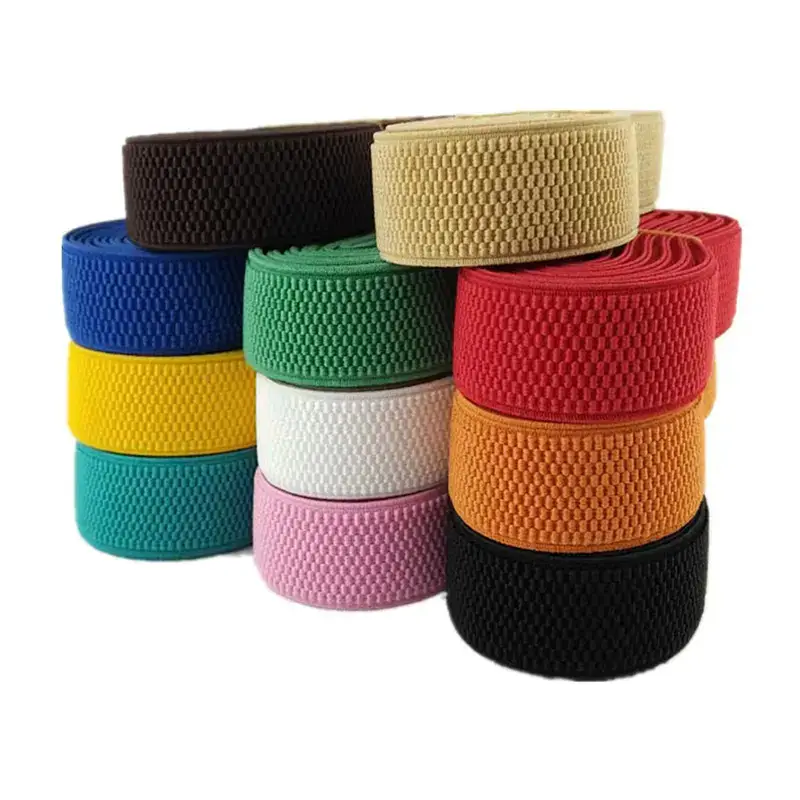
Colorfast means the color won’t bleed, run, or fade easily when washed. Not all woven elastic is created equal when it comes to keeping its color.
Several factors affect whether your elastic will stay colorfast:
- Quality Matters: Higher-quality woven elastic typically uses better dyes that bond more permanently to the fibers. Cheap elastic may fade quickly or bleed color onto other clothes.
- Dyeing Method: Elastic that’s dyed after being woven (piece-dyed) often holds color better than elastic where only some threads were colored before weaving.
- Color Choice: Darker colors like black, navy, and dark red are more likely to bleed or fade than lighter shades. Bright colors may fade to duller versions over time.
- How to Test Colorfastness: Before washing a new item with woven elastic, dampen a small hidden section with water and press it against a white cloth. If color transfers, the elastic isn’t very colorfast and needs special care.
Signs of Poor Colorfastness:
- Water turns colored when you soak the item
- Color rubs off on your hands when wet
- White or light-colored fabric near the elastic looks stained
- The elastic looks faded after just a few washes
Most quality woven elastic should maintain its color through normal washing. However, some fading over many years is normal for any colored fabric product.
How to Wash Woven Elastic Properly
Follow these simple steps to keep your woven elastic items in great shape:
Step 1: Test First If an item is new or you’re unsure about the elastic, do the colorfastness test mentioned above. This saves you from ruining other clothes.
Step 2: Sort Your Laundry Separate darks from lights, just like with regular clothes. Keep items with dark-colored elastic away from white or light-colored laundry for the first few washes.
Step 3: Choose the Right Water Temperature Use warm or cold water for most items with woven elastic. Save hot water for white items that need extra cleaning power, but even then, warm is usually better for elastic longevity.
Step 4: Pick Your Detergent Use a mild laundry detergent. Harsh detergents can break down elastic fibers faster. You don’t need much—more soap doesn’t mean cleaner clothes, and excess detergent can leave residue on elastic.
Step 5: Select Machine Settings Choose a normal or gentle cycle. Avoid heavy-duty cycles unless absolutely necessary. The extra agitation isn’t usually needed and can wear out elastic faster.
Step 6: Hand Washing Method For delicate items:
- Fill a basin with warm water
- Add a small amount of mild detergent
- Submerge the item and gently squeeze water through it
- Let it soak for 10-15 minutes
- Rinse thoroughly with clean water until no soap remains
- Gently squeeze out excess water (don’t wring or twist)
Step 7: Dry Properly Air drying is best. Lay flat on a clean towel or hang on a drying rack. If using a machine dryer, choose low heat and remove items while slightly damp. Never use high heat.
What to Avoid:
- Bleach: Chlorine bleach damages elastic fibers and can cause yellowing or weakening
- Fabric Softener: This can coat elastic and reduce its stretch over time
- High Heat: From either wash water or dryer—it’s elastic’s worst enemy
Overloading: Too many clothes in the washer can cause excessive pulling on elastic
Tips to Keep Woven Elastic in Good Condition
Beyond proper washing, here are ways to extend the life of your elastic items:
Storage: Store elastic items loosely folded rather than tightly rolled. Constant tension can weaken elastic over time. Don’t hang heavy items like sweatpants by their elastic waistbands—fold them instead.
Avoid Overstretching: When putting on elastic waistbands, pull them over your hips rather than stretching them wide open. This small habit makes a big difference.
Know When to Replace: Even with perfect care, elastic doesn’t last forever. Replace elastic that feels loose, looks wavy, or has lost significant stretch. Most quality woven elastic should last 1-2 years with regular wear and washing.
Special Care for Delicates: Items like lingerie or special garments with elastic should always go in a mesh laundry bag. This protects them from snagging and excessive pulling.
Maintain Elasticity: Rotate your clothing so the same elastic items don’t get worn and washed constantly. Having multiple pairs of pajamas or workout clothes gives each item rest time between wears.
Common Problems and Solutions
Problem: Elastic Lost Its Stretch This usually happens from too much heat or age. Prevention is key, always use lower heat and don’t overdry. Once elastic loses stretch, you’ll need to replace it.
Problem: Color Fading Wash dark-colored elastic in cold water and turn items inside out. This protects the color. Some fading over time is normal, but these steps slow it down.
Problem: Elastic Became Wavy or Twisted This happens when elastic is stretched unevenly during washing or drying. Smooth out elastic before drying, and don’t wring items. If it’s already wavy, you can try steaming it gently or replacing it.
Problem: Elastic Feels Stiff This can result from detergent buildup. Rinse items in plain water or add a cup of white vinegar to the rinse cycle to remove residue.
Conclusion
So, is woven elastic washable and colorfast? Absolutely! Woven elastic can handle regular washing and maintain its color when you treat it right. The secret is simple: use warm water, gentle cycles, mild detergent, and low heat drying. These small steps make a huge difference in keeping your elastic items stretchy and vibrant for years.
Remember, proper care isn’t complicated—it just requires a little attention. Your favorite elastic waistband items will last much longer with these easy practices.
At Proshiv for premium elastic supplies that are built to last through countless wash cycles. Whether you’re sewing garments, crafting, or replacing old elastic, Proshiv has the quality materials you need. Shop now and experience the difference!
FAQs
Yes, but use low heat only. High heat damages elastic fibers. Air drying is always the safest option for maximum longevity.
It can shrink slightly if washed in very hot water or dried on high heat. Warm water and low heat prevent most shrinking.
With proper care, quality woven elastic typically lasts 1-2 years of regular use and washing. Poor care or low quality reduces this significantly.
Warm water (around 90-110°F) works best for most items. Cold water is fine too, especially for dark colors or delicate fabrics.
Yes! Bleach breaks down elastic fibers, causing them to weaken, yellow, or snap. Never use bleach on items with elastic.
Not directly. High heat from an iron can melt or damage elastic. If you must iron a garment with elastic, use low heat and avoid touching the elastic itself.
Yes, woven elastic generally holds up better to washing than knit elastic or braided elastic. It’s more durable and maintains its width when stretched, making it more stable through wash cycles.