
Table of Contents
Summary
In this article, I’m going to share ten creative ways you can use this wonderful material in your fashion projects. These aren’t just theories from a textbook. These are real techniques that designers use every day to create comfortable, stylish, and durable clothing. By the end of this guide, you’ll have plenty of new ideas to try in your next sewing project. Let’s get started and discover how this simple tape can transform your designs.
Introduction
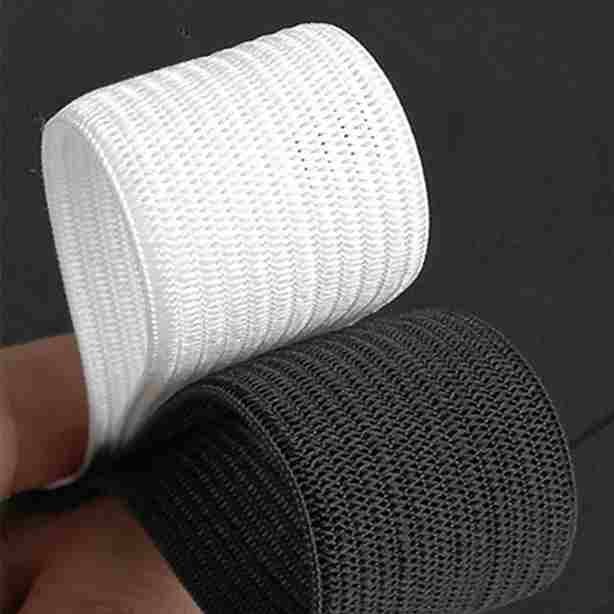
If you love sewing or designing clothes, you’ve probably heard about polyester elastic tape. This simple material is like a secret weapon for fashion designers and home sewers alike. It’s stretchy, strong, and can make your clothes fit better and last longer. Whether you’re making a simple skirt or a fancy dance costume, polyester elastic tape can solve many common problems you face while sewing.
1. Waistbands in Skirts and Pants
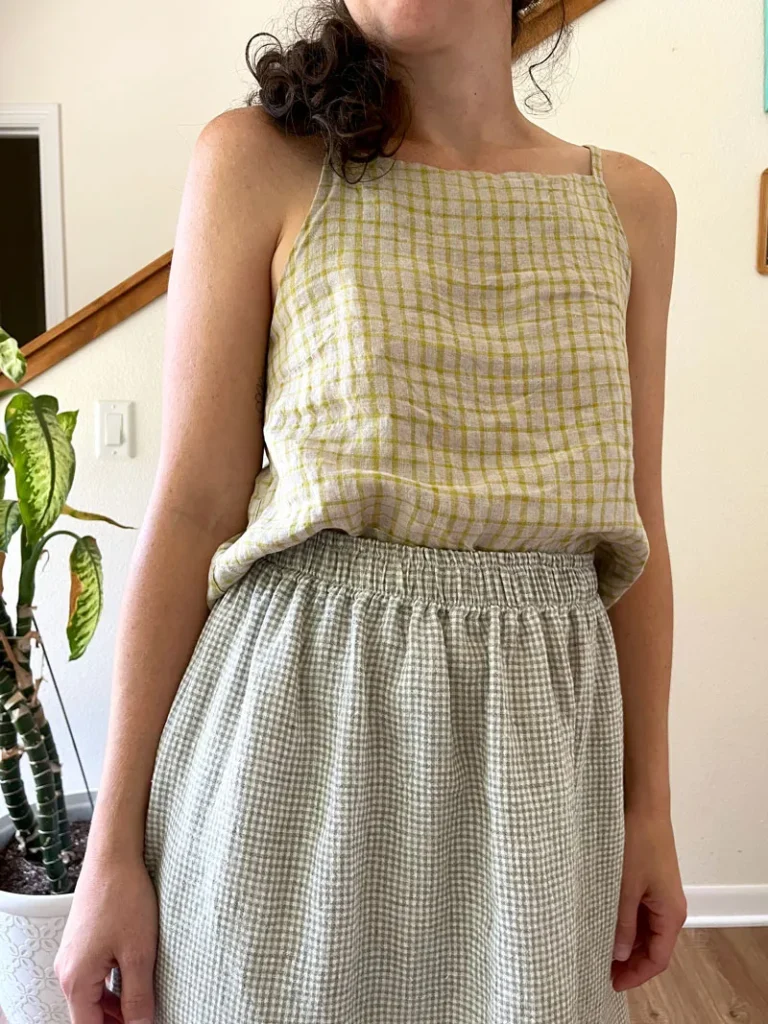
One of the most common uses for polyester elastic tape is creating comfortable waistbands. Have you ever worn pants that felt too tight after lunch or a skirt that kept sliding down? That’s because the waistband didn’t have enough stretch. When you add elastic tape to waistbands, you create a fit that moves with your body throughout the day.
The beauty of using elastic tape in waistbands is that it gives you comfort without making your clothes look sloppy. You can sew it directly into the waistband casing or attach it to the inside of the fabric. Many popular clothing brands use this exact technique because it works so well. For pants, a one-inch wide elastic tape usually works best because it distributes pressure evenly. For lighter skirts, you can use half-inch width for a softer feel.
The key is to measure your waist comfortably, then cut the elastic slightly shorter so it provides gentle support without squeezing too tight.
2. Sleeve Cuffs and Hems

Sleeve cuffs are another perfect place to use polyester elastic tape. Think about your favorite long-sleeve shirt or sweatshirt. The cuffs probably have elastic in them, which is why they stay neatly around your wrists without feeling uncomfortable. This same technique works for any sleeve style you want to create.
When adding elastic to sleeve cuffs, the trick is choosing the right width. For regular shirt sleeves, quarter-inch or half-inch elastic works beautifully. For thicker sweatshirt materials, you might want three-quarter-inch width. The process is simple even for beginners. You fold the sleeve hem, create a small tunnel by sewing it down, then thread the elastic through this tunnel. Once you secure both ends together, the sleeve magically gathers into a perfect cuff. This technique also works wonderfully for the bottom hems of jackets and hoodies, creating that sporty, fitted look that keeps cold air out.
3. Necklines and Collar Finishes
Necklines can be tricky because they need to stretch when you pull a shirt over your head, but they shouldn’t become loose and baggy after a few wears. This is where elastic tape becomes incredibly useful. By adding a small strip of elastic to necklines, you ensure they keep their shape for years.
This technique is especially important for knit fabrics like t-shirt material. The elastic helps the neckline bounce back to its original shape even after stretching. For boat necks and wide necklines, you can use narrow elastic tape that’s almost invisible. The expert tip here is to measure carefully. Your elastic should be slightly shorter than the actual neckline measurement so it provides gentle support. Many beginners make the mistake of cutting the elastic the same length as the fabric, which doesn’t provide enough recovery. With neckline elastic, less length means better shape retention.
4. Swimwear and Activewear Construction
If you’ve ever made or worn athletic clothes or swimwear, you know these items need to handle a lot of stress. They get wet, stretched, pulled, and washed frequently. Polyester elastic tape is perfect for these demanding uses because it’s designed to resist water, chlorine, and repeated stretching.
For swimwear, you’ll want to use specifically labeled swimwear elastic tape because it has extra resistance to pool chemicals and salt water. This elastic goes along leg openings, around the bust area, and at the waist. It keeps everything secure even when the fabric gets wet and heavy. For activewear like yoga pants and sports bras, the elastic provides the compression and support needed during exercise. One important safety note is to always choose quality elastic tape from trusted brands.
Poor quality elastic can irritate skin, especially when you’re sweating or in water. Good quality elastic feels soft against skin and maintains its stretch even after many washes.
5. Lingerie and Undergarment Bands
Creating comfortable lingerie and undergarments requires special attention to detail, and elastic tape plays a crucial role here. The bands on bras, the edges of underwear, and the leg openings on all undergarments rely on elastic to provide support without discomfort. This is one area where you absolutely cannot compromise on quality.
Lingerie-grade elastic tape is softer and more flexible than regular elastic. It needs to sit against your skin all day without causing irritation, red marks, or itching. For bra bands, you typically need wider elastic, around one to two inches, to provide proper support. For underwear edges, quarter-inch to half-inch elastic is usually perfect. The health consideration here is important because properly fitted elastic means better posture support and all-day comfort.
Too tight elastic can restrict blood flow and cause discomfort, while too loose elastic won’t provide the support you need. Always test your elastic tension on a small sample before completing your project.
6. Decorative Straps and Design Details
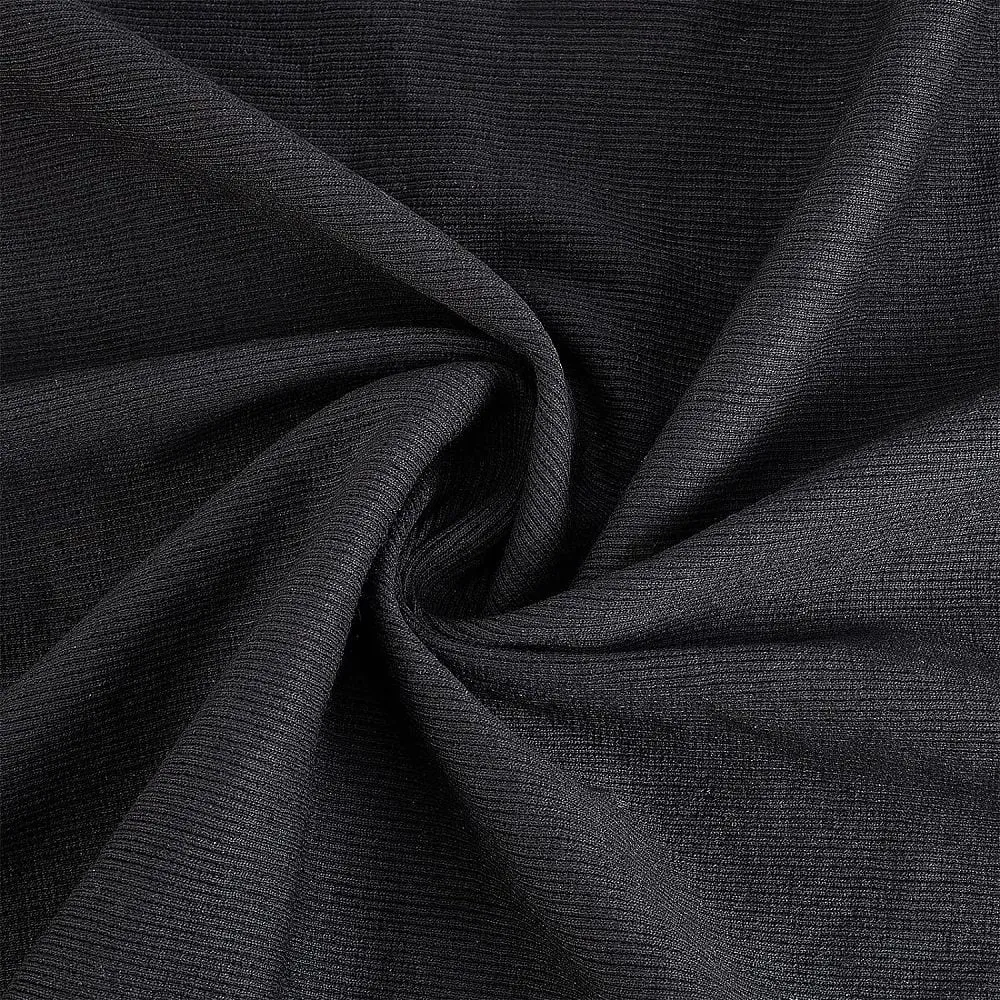
Not all elastic tape has to hide inside your garments. Modern fashion has embraced elastic as a visible design element, and this opens up exciting creative possibilities. You can find polyester elastic tape in dozens of colors, patterns, and even metallic finishes that add style to your designs.
Decorative elastic straps are very trendy right now. You might see them on the shoulders of summer dresses, creating interesting geometric patterns on the back of tops, or as stylish accents along the sides of pants. Fashion designers love using colored elastic because it’s both functional and beautiful. The elastic provides structure and fit while also catching the eye as a design feature. You can experiment with placement to create unique looks.
Some designers use multiple thin strips of contrasting elastic for a sporty vibe, while others use wide, patterned elastic as statement pieces. Real fashion examples include festival wear with rainbow elastic details and athletic-inspired streetwear with bold stripe patterns made entirely from elastic tape.
7. Gathered Sleeves and Puffed Details
The romantic, gathered sleeve trend has been everywhere in fashion lately. Those beautiful balloon sleeves and puffed details you see on dresses and blouses are often created using elastic tape as the foundation. This technique gives you that soft, feminine gathering without complicated pattern work.
To create gathered sleeves, you attach elastic tape at specific points where you want the fabric to bunch. The elastic naturally pulls the fabric into beautiful gathers. For balloon sleeves, you might add elastic at the elbow and wrist, creating that distinctive puffed shape. The amount of gathering depends on how much shorter you cut your elastic compared to the fabric length. A good rule of thumb is to make the elastic about two-thirds the length of the fabric section you want to gather.
This creates nice, even gathers without making the area too tight. Before and after examples show how flat fabric transforms into dimensional, interesting shapes just by adding elastic strategically.
8. Leg Openings in Shorts and Leggings
Have you ever worn shorts that kept riding up while you walked or exercised? That annoying problem happens when leg openings don’t have proper elastic. Adding polyester elastic tape to leg openings is the professional solution that keeps shorts and leggings in place comfortably.
For athletic shorts, elastic around the leg openings prevents that awkward riding up during movement. The elastic creates a gentle grip against your leg without cutting into your skin or creating uncomfortable pressure. For leggings and cycling shorts, this elastic is essential for staying in place during high-impact activities. The testing tip here is important because too-tight elastic will dig into your legs and feel uncomfortable.
Before you finish your project, try on the garment and move around. Jump, squat, and walk to make sure the elastic holds everything in place without feeling restrictive. You should be able to slip two fingers comfortably under the elastic when it’s on your leg.
9. Face Mask Ear Loops
When face masks became part of daily life, elastic ear loops became incredibly important. While this might seem like a simple use, it actually shows how versatile and practical polyester elastic tape can be for solving everyday problems. Soft, adjustable ear loops make masks comfortable to wear for long periods.
The key to comfortable mask ear loops is using soft, narrow elastic. Quarter-inch width works best because it’s gentle on ears but strong enough to hold the mask securely. The length is crucial too because everyone’s head size is different. Generally, six to seven inches per ear loop works for average adults, but you might need to adjust based on who will wear the mask.
Some crafters get creative by using colored elastic or adding small adjustable toggles that let users customize the fit. This practical use of elastic tape showed how one simple material can adapt to meet new needs quickly.
10. Dance Costumes and Performance Wear
Professional dancers and performers put their costumes through extreme tests. Costumes need to stay in place during splits, jumps, spins, and rapid movements. This is where polyester elastic tape truly proves its worth. Performance wear relies heavily on elastic for security and comfort during demanding routines.
Dance costume designers use elastic everywhere because it provides security without restricting movement. Bodysuits use elastic around leg openings and arms. Flowing skirts have elastic waistbands that stay put during turns. Even accessories like arm bands and headpieces use elastic for secure attachment. Professional costume makers actually prefer polyester elastic over other types because it maintains its strength through countless performances and washes.
The material doesn’t lose its stretch even with the constant pulling and stress of athletic movement. Designer insight shows that most professional performance wear uses multiple types of elastic in one garment, each chosen specifically for its location and purpose.
Choosing Quality Materials
Now that you know all these creative uses, you need to understand how to choose quality elastic tape. Not all elastic is created equal, and using poor quality materials will ruin even the best design. Quality polyester elastic tape has excellent stretch recovery, which means it bounces back to its original length after stretching. When you pull good elastic and release it, it should snap back quickly without staying stretched out.
Softness matters too, especially for anything touching your skin directly. Run the elastic between your fingers and notice how it feels. Quality elastic should feel smooth, not rough or scratchy. Durability is another key feature. Check reviews or ask about how the elastic holds up to washing and wearing. Different widths serve different purposes. Quarter-inch elastic works for delicate areas, half-inch for medium support, and one-inch or wider for waistbands and areas needing strong support.
You can buy quality elastic from fabric stores, online craft retailers, and specialty sewing suppliers. Trusted brands cost more but last longer and perform better. Expect to pay between two to six dollars per yard for good quality polyester elastic tape, depending on width and special features. Warning signs of poor quality include elastic that feels stiff, has visible defects, smells strongly of chemicals, or costs suspiciously little.
Conclusion
Polyester elastic tape is truly a game-changer in fashion design and garment construction. From creating comfortable waistbands to crafting stunning dance costumes, this versatile material solves countless sewing challenges while opening up exciting creative possibilities. Whether you’re a beginner just starting your sewing journey or an experienced designer looking for new techniques, these ten uses will help you create better-fitting, more comfortable, and longer-lasting garments.
Want to improve your sewing projects? Using Proshiv’s high-quality polyester elastic tape will help! We offer our premium elastic tapes in a multitude of widths and colors so that you can find just what you need for all of your sewing needs. All of our high-quality elastic tapes provide you with durability and comfort so you can have beautiful and enjoyable garments. Come check out our selection of high-quality elastic at Proshiv and then let us help you to get started with a sewing project!