
Table of Contents
Introduction
In the world of garment manufacturing, tiny details often decide whether your product feels premium or poor. One such underrated component is the elastic tape, a narrow yet powerful material that provides garments with stretch, shape, and durability. Whether you’re designing activewear, uniforms, innerwear, or kidswear, the choice of elastic tape can drastically influence how your product performs and feels. In this blog, we’ll explore the differences between Knitted vs Woven vs Crochet Elastic Tapes, their applications, and how to choose the best one for your garment business.
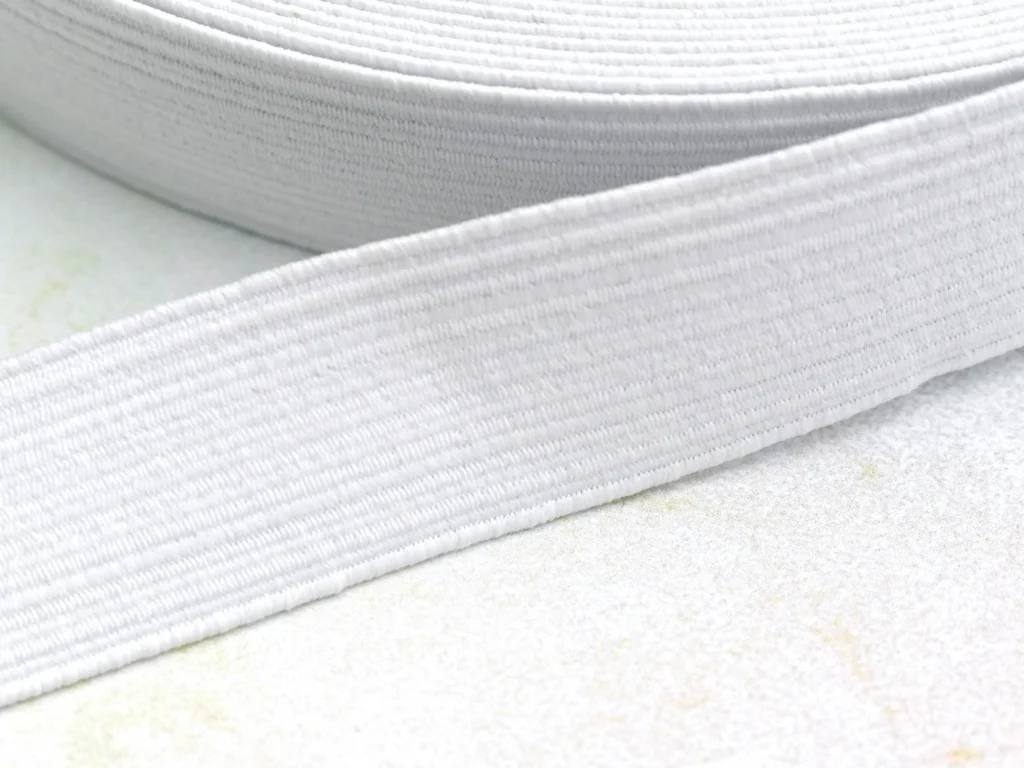
Why Elastic Tapes Matter in Garment Manufacturing
Elastic tapes play a vital role in ensuring that garments fit comfortably while maintaining their form over time. They are used in waistbands, cuffs, lingerie, trousers, maternity wear, and even industrial uniforms. Beyond comfort, they also define the structure and life of a garment.
A poor-quality or unsuitable elastic can make a product lose shape after a few washes, stretch unevenly, or feel uncomfortable on the skin, all of which can harm your brand’s reputation. Therefore, choosing the right elastic tape isn’t just a technical choice; it’s a strategic business decision. Understanding the difference between Knitted vs Woven vs Crochet Elastic Tapes helps manufacturers create garments that combine both comfort and durability.
Understanding the Types of Elastic Tapes
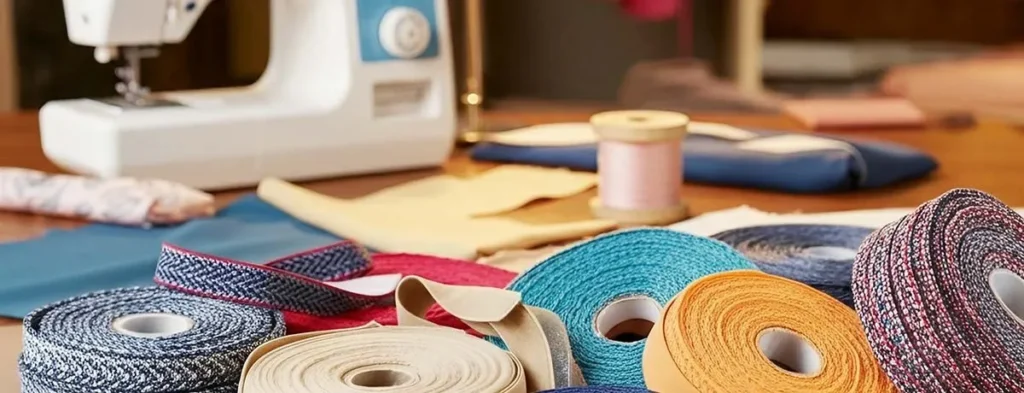
Before we dive into the comparison, it’s important to understand what makes each type—knitted, woven, and crochet (also called braided)—different in structure and performance. Each has its own advantages, and the right choice depends on the end use of your garment.
Knitted Elastic Tape
Knitted elastic is made by interlooping yarns, which gives it a soft, flexible, and breathable texture. Because of this knitted structure, it stretches easily and feels light against the skin. It doesn’t narrow when stretched, making it ideal for garments that require consistent elasticity and comfort.
Knitted elastics are widely used in activewear, undergarments, kidswear, and sportswear. Their soft texture ensures that even with continuous movement, the elastic doesn’t dig into the skin. Brands that focus on comfort, flexibility, and movement, such as loungewear or fitness wear brands, prefer knitted elastic for its comfort-oriented nature.
In short, if your target market values softness and flexibility, knitted elastic is your go-to choice among the three especially when comparing Knitted vs Woven vs Crochet Elastic Tapes.
Woven Elastic Tape
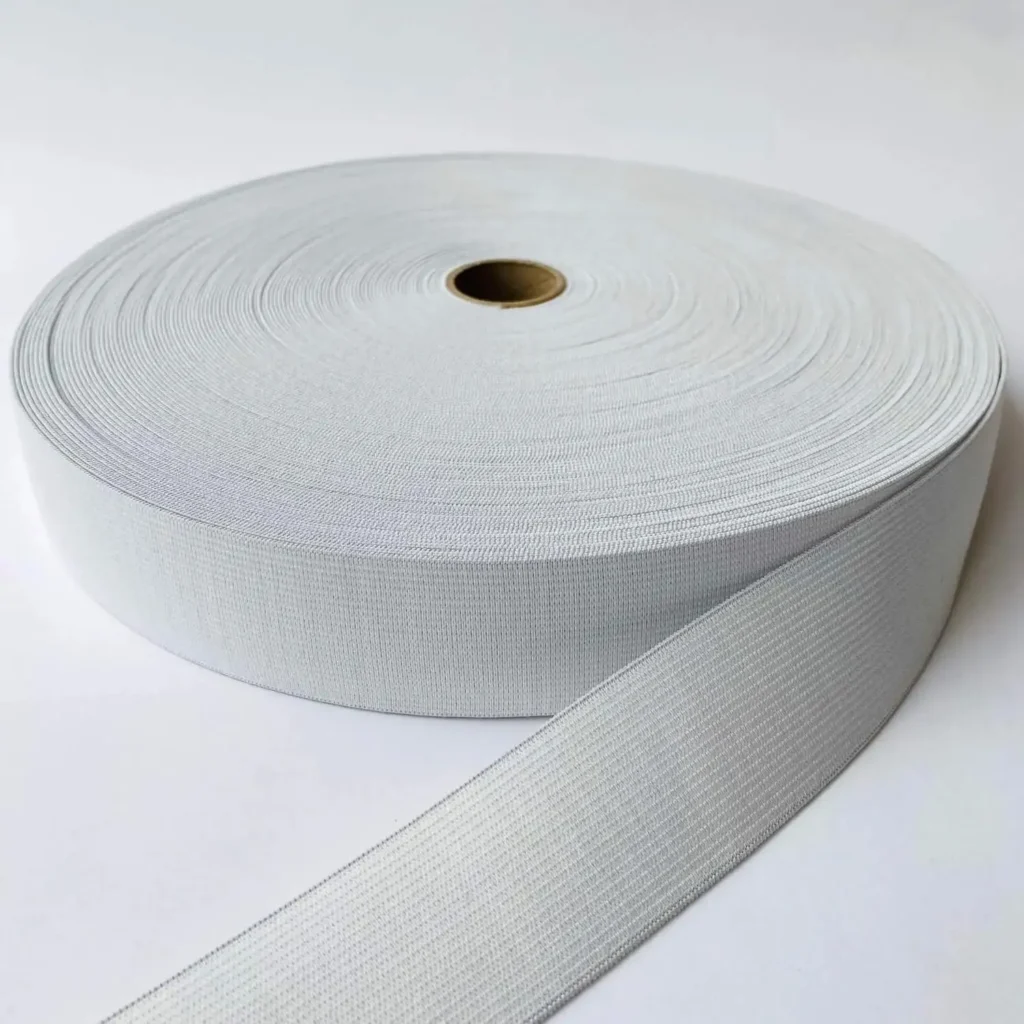
Woven elastic is made through a weaving process where yarns are interlaced tightly, resulting in a firm, dense, and durable structure. This type of elastic holds its shape under high stress and maintains its width even when stretched. Because of its strength, woven elastic is widely used in uniforms, jeans, industrial workwear, belts, and heavy-duty clothing.
What sets woven elastic apart is its rigidity and longevity. It’s designed to handle tough fabrics and high tension without losing elasticity over time. Manufacturers who prioritize structure and long-lasting performance often rely on woven elastic.
If your garments demand strength and resilience—think denim waistbands, protective clothing, or outdoor wear—woven elastic is the best choice for maintaining form and firmness in the Knitted vs Woven vs Crochet Elastic Tapes comparison.
Crochet (Braided) Elastic Tape
Crochet elastic, also known as braided elastic, lies somewhere between the knitted and woven types. It’s made using a crochet or braiding technique, creating an interlaced pattern that provides moderate stretch and a decorative appearance. This type of elastic tends to narrow slightly when stretched and offers a balance between flexibility and durability.
Crochet elastic is ideal for lingerie, light dresses, fashion trims, and decorative garments. It’s often chosen when aesthetics matter as much as function. The surface texture gives garments a visually appealing finish while still ensuring comfortable stretch.
For brands producing fashion-forward or delicate garments, crochet elastic offers a refined balance of beauty and function, making it a strong contender in the Knitted vs Woven vs Crochet Elastic Tapes debate.
Knitted vs Woven vs Crochet Elastic Tapes — Quick Comparison
| Feature | Knitted Elastic | Woven Elastic | Crochet Elastic |
|---|---|---|---|
| Texture | Soft, flexible | Firm, dense | Textured, decorative |
| Stretch & Recovery | Excellent | Moderate to firm | Medium |
| Durability | Moderate | High | Moderate |
| Comfort Level | Very high | Average | High |
| Ideal For | Sportswear, babywear, innerwear | Jeans, uniforms, heavy fabrics | Lingerie, trims, light dresses |
This table shows how Knitted vs Woven vs Crochet Elastic Tapes perform differently based on texture, durability, and comfort helping you match the right type with your garment’s purpose.
How to Choose the Right Elastic Tape for Your Garment Business
The right elastic depends on your garment’s purpose, fabric, and user experience. While all three types serve similar functions, their performance varies greatly depending on usage.
When choosing, consider these key factors:
- Fabric Weight: Lightweight fabrics work best with knitted or crocheted elastic, while heavy fabrics need woven elastic.
- Purpose: For comfort and flexibility, knitted is ideal. For durability and structure, woven wins.
- Aesthetic Value: For decorative designs, crochet elastic adds an elegant finish.
- Wash Cycle & Longevity: Garments that are washed frequently should use woven elastic for lasting performance.
Ultimately, align your elastic choice with the brand experience you want your customers to feel comfort, luxury, or durability. Understanding Knitted vs Woven vs Crochet Elastic Tapes helps you make more informed decisions for your production line.
Expert Insight: What the Textile Industry Says
Experienced garment technologists and manufacturers agree that elastic tapes should always undergo stretch recovery, shrinkage, and wash durability tests before production. A poor-quality elastic not only affects product longevity but also your brand’s credibility in the market.
Experts suggest maintaining a balance between softness and strength. For example, activewear manufacturers prefer knitted elastics for comfort and mobility, while uniform suppliers prioritize woven elastics for structural integrity.
Leading textile manufacturers often use customized blends to achieve specific results — such as combining polyester and rubber yarns to enhance durability without sacrificing comfort. By conducting small-scale fabric compatibility tests before large production runs, garment brands can save both money and reputation.
This real-world application of Knitted vs Woven vs Crochet Elastic Tapes knowledge ensures manufacturers produce garments that perform well under real conditions.
Common Mistakes Garment Manufacturers Make with Elastic Tapes
Even experienced garment producers sometimes make simple yet costly mistakes that can ruin garment performance. These include:
- Selecting an elastic type incompatible with the fabric.
- Overstretching during stitching, which causes the elastic to lose shape.
- Ignoring wash durability tests.
- Choosing low-cost elastic without considering long-term performance.
Avoiding these pitfalls ensures consistent product quality, fewer customer complaints, and better brand reputation especially when working with Knitted vs Woven vs Crochet Elastic Tapes across multiple garment types.
Which Elastic Tape Should You Choose?
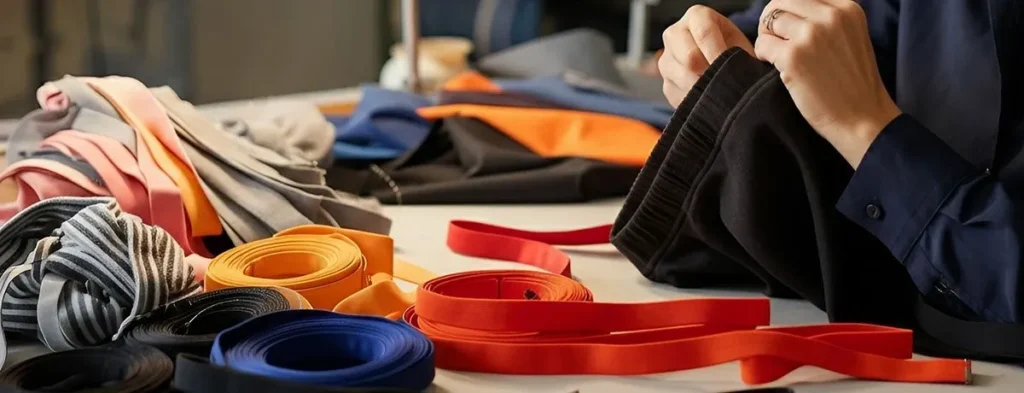
Each type of elastic tape serves a specific role:
- Knitted Elastic: Best for lightweight, comfort-driven garments like innerwear, sportswear, and babywear.
- Woven Elastic: Ideal for structured, heavy-duty garments like jeans, uniforms, and industrial wear.
Crochet Elastic: Perfect for decorative or fashion garments needing moderate stretch and visual appeal.
There’s no one-size-fits-all solution the right choice depends on your fabric type, target audience, and brand identity. However, brands that understand the difference between Knitted vs Woven vs Crochet Elastic Tapes often gain a competitive edge in both quality and customer satisfaction.
Conclusion
The debate of Knitted vs Woven vs Crochet Elastic Tapes boils down to understanding performance and purpose. Knitted elastic gives you flexibility and comfort, woven provides strength and shape, while crochet adds aesthetic beauty and balance. Each serves a unique role and the smartest garment manufacturers use all three in different product categories.
Elastic tapes might be a small detail in a garment, but they define the customer experience in a big way. Choosing wisely ensures your clothing feels great, lasts longer, and delivers the quality your brand promises.
To explore high-quality elastics for your next garment line, visit Proshiv.com your trusted partner for premium elastic solutions.